
A new breakthrough for treatment of male infertility
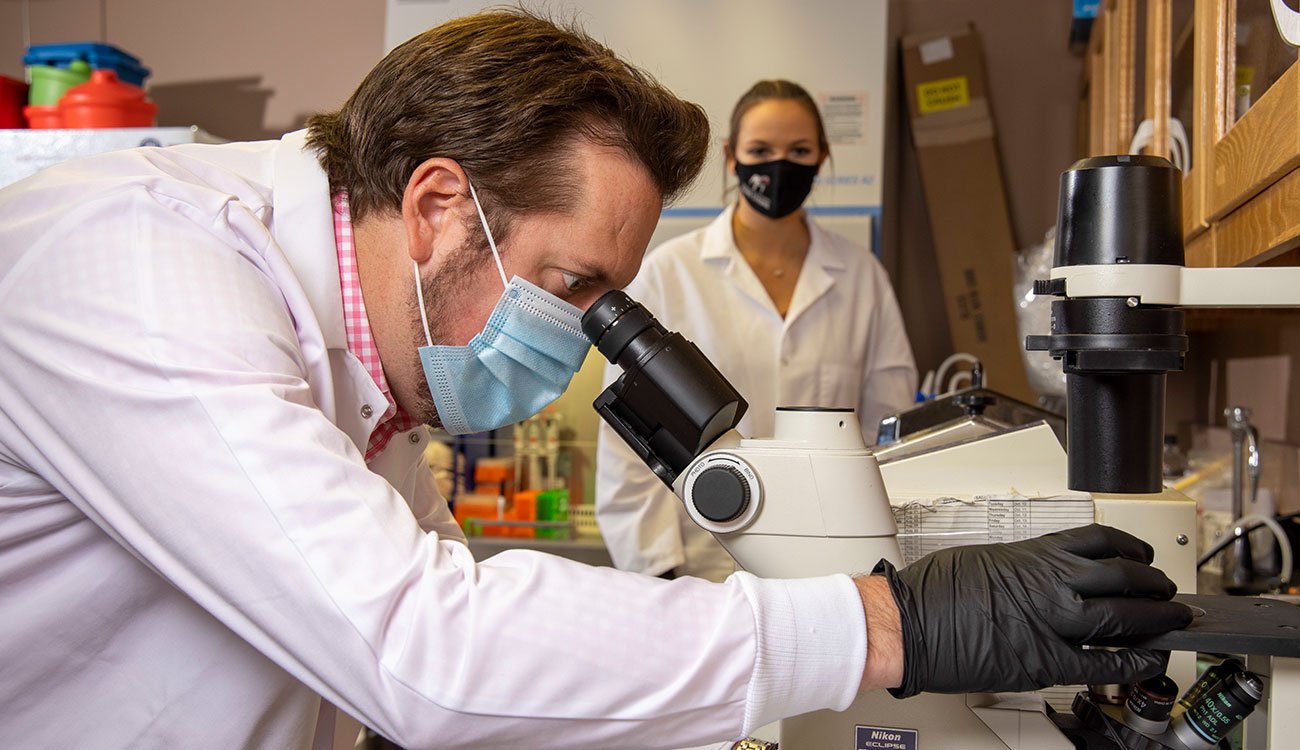
With global rates of male infertility continuing to rise, a new study in spermatogonial stem cell research led by researchers at the University of Georgia provides hope for future clinical therapies.
The study, which was published recently in Fertility and Sterility Science, is the first to show that functional sperm cells can be made in a dish using primate embryonic stem cells.
“This is a major breakthrough towards producing stem cell-based therapies to treat male infertility in cases where the men do not produce any viable sperm cells,” said lead researcher Charles Easley, an associate professor in UGA’s College of Public Health.
Alumni Profile: Gibril Njie
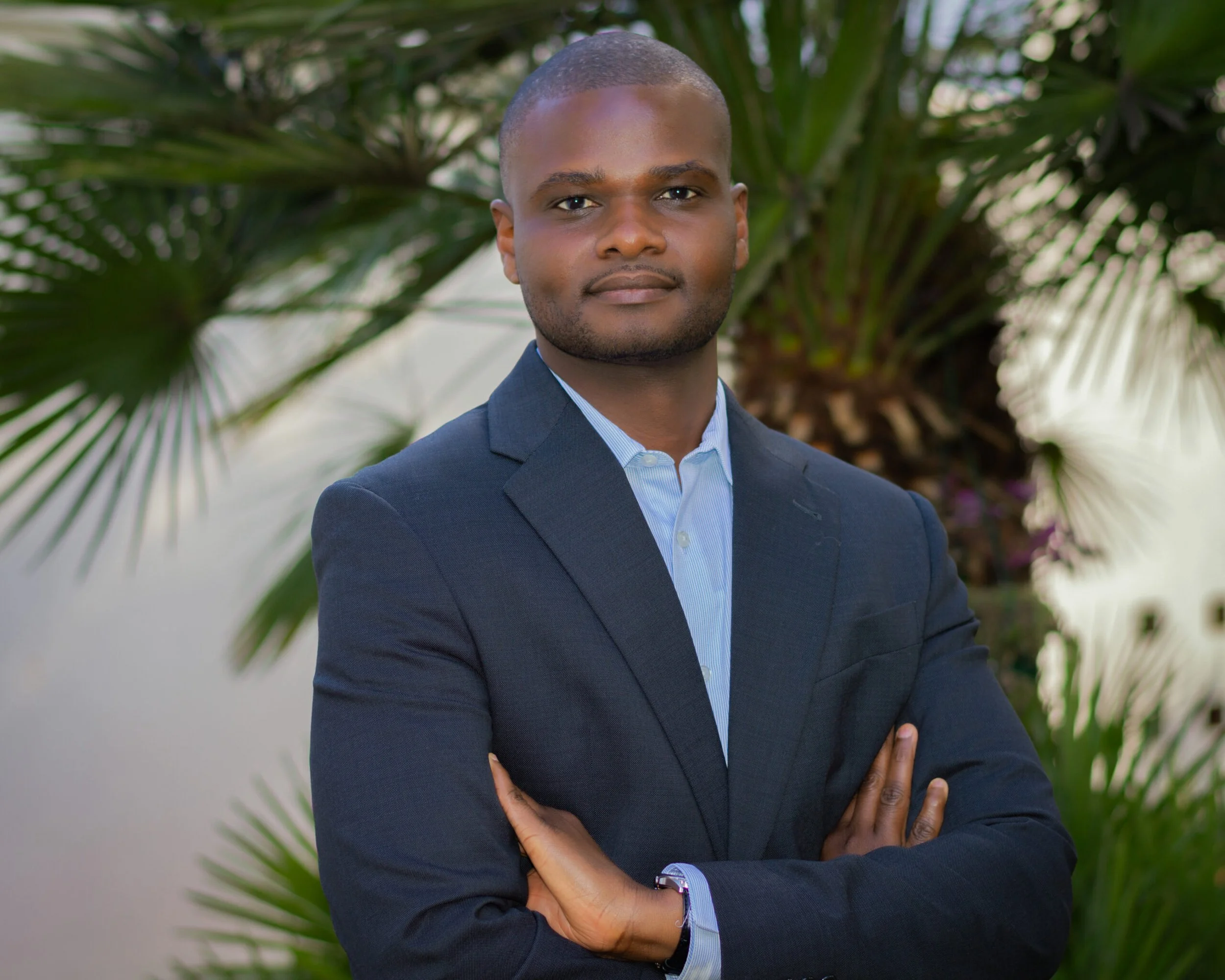
As a kid growing up outside of Atlanta, Gibril Njie (MPH ‘11, DrPH ‘21) was a lot of things – curious, bookish, a math lover, but also a talented athlete and sports geek. He aspired to be a dentist.
Then life took him down another path that led to where he is now, a senior epidemiologist with the Centers for Disease Control and Prevention, leading the Atlanta-based Global Tobacco Surveillance System from Zimbabwe.
It’s enough to give anyone whiplash, but Gibril has always rolled with the punches. Flexibility, he says, is key to a successful career in public health. “That's the beauty of public health. Most of the skills you're going to learn in public health are transferable,” he said.
Clinical assistant professor is also a lifelong learner
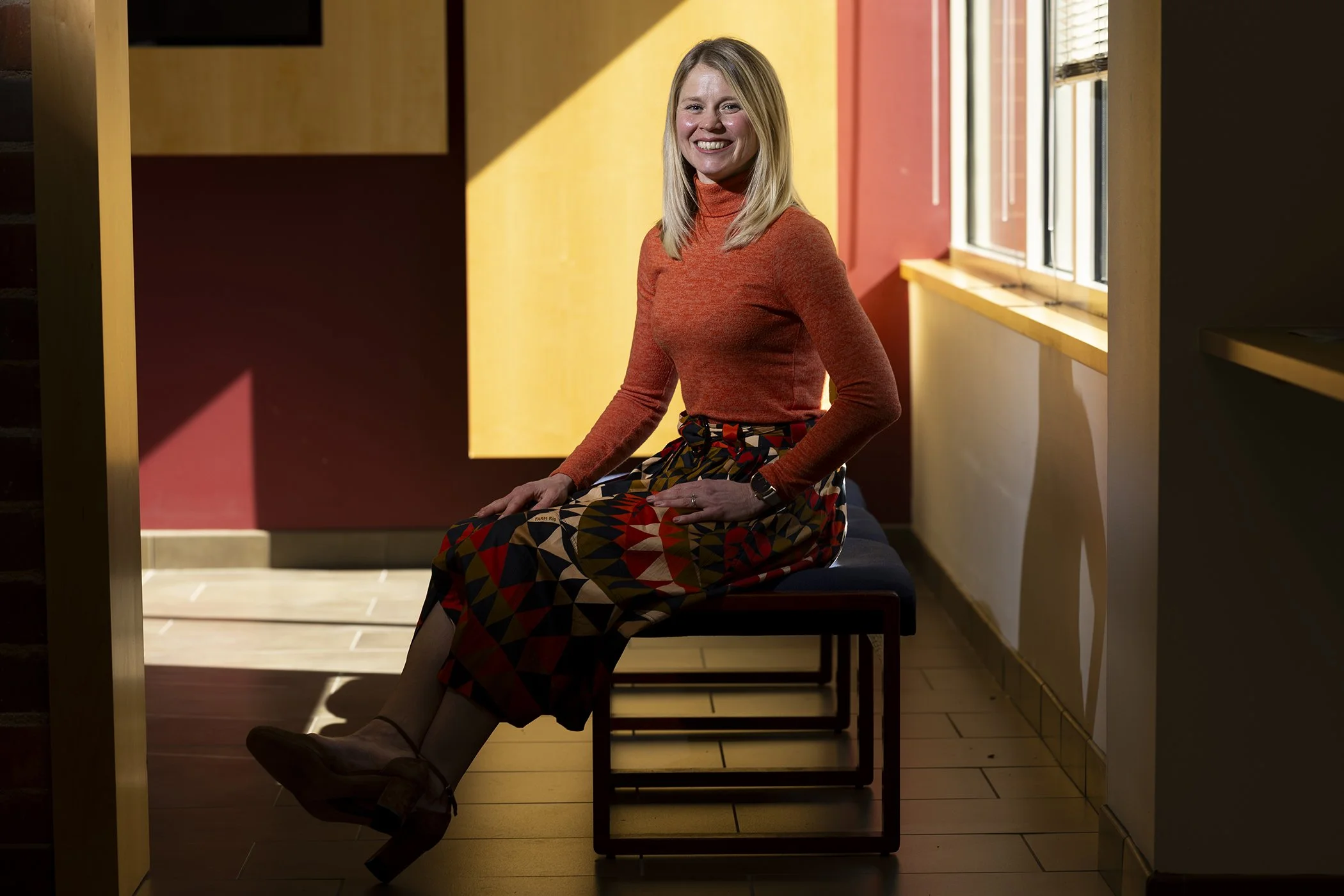
If you asked Christina Proctor to describe herself in just a few words, it would be lifelong learner.
And as a clinical assistant professor in the UGA College of Public Health, each day brings something new to learn.
“As an instructor, you can never stop learning. There’s always something new to find out. There are new methods to teach students. There are new groups of students that come in, and I love that challenge of figuring out what’s the best way to get this group of students to connect to this material, to connect to each other,” she said.
Stop and Smell the Flowers
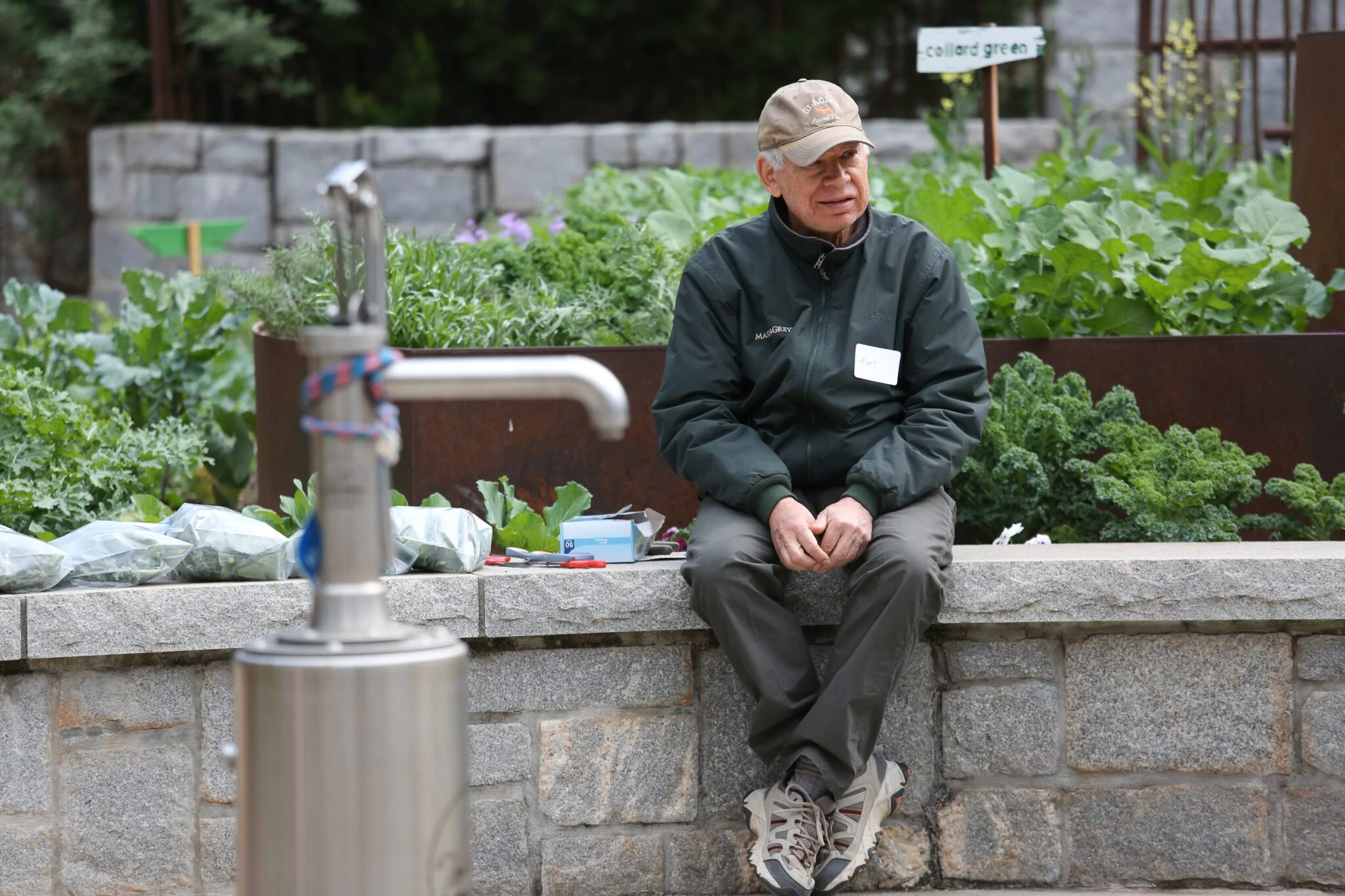
It’s a quintessential spring morning at the University of Georgia’s State Botanical Garden. The sun is starting to peek out from behind a patchwork of pale gray clouds, warming the air.
It’s an idyllic setting for another session of Meet Me at the Garden. This pilot program, delivered by the education teams at UGA’s Cognitive Aging Research & Education (CARE) Center and the State Botanical Garden, wants to “expand the bubble” of persons living with dementia and their caregivers through interactive education and sensory activities.
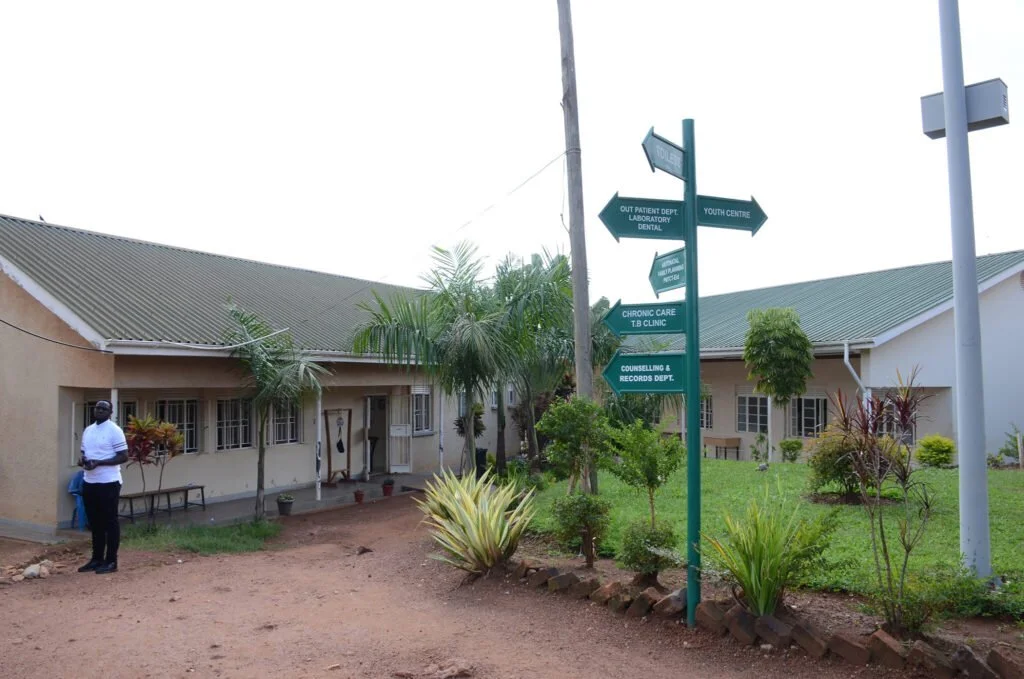
AI could reduce barriers to tuberculosis care
A new study led by faculty at the University of Georgia demonstrates the potential of using artificial intelligence to transform tuberculosis treatment in low-resource communities. And while the study focused on TB patients, it has applications across the health care sector, freeing up health care workers to perform other necessary tasks.
Growing evidence has demonstrated the potential for AI to increase productivity, reduce health care worker burnout, and improve quality of care in clinical settings. The study, which was published last month in the Journal of Medical Internet Research AI, pilots the use of AI to watch thousands of submitted videos of TB patients taking their medication.

Beyond Belief: Rebuilding and preparing Puerto Rico for the next storm
Jose Cordero had seen the news reports. When the lingering bands of Hurricane Maria finally gave way to blue skies, the enormity of the storm’s impact on the island of Puerto Rico was laid bare.
Beginning in the southeast corner of the island, the storm had slowly crawled across the land, dumping unprecedented amounts of rain and battering homes with 155 mile per hour sustained winds.
Puerto Rico was devasted.
As soon as the first non-emergency flights could return to the island, Cordero, Patel Distinguished Professor of Public Health and head of the department of epidemiology and biostatistics, was on one.